
Patients who are missing many or all of their teeth may encounter several different tooth-replacement options, including conventional dentures and dentures supported by dental implants. The visible replacement teeth can appear similar, but the way the restoration is supported is different. Patients researching implant-supported dentures in Fort Saskatchewan should therefore expect the dentist to assess the jawbone, gums, remaining teeth, medical history, bite, and treatment goals before deciding whether an implant-based or conventional approach may be appropriate.
Conventional Dentures Rest on the Supporting Tissues
Traditional dentures in Fort Saskatchewan are designed to replace multiple missing teeth using a removable prosthesis that is supported by the gums and underlying oral structures. Full dentures replace an entire arch, while partial dentures can be designed around natural teeth that remain. Precise measurements and follow-up adjustments are important because the mouth can continue changing after tooth loss, which can gradually influence how a denture fits.
Implant-Supported Dentures Use Implants for Additional Support
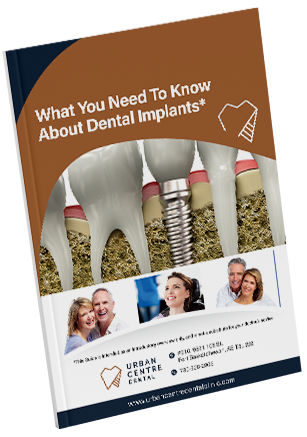
Dental implants are placed within the jawbone and can be incorporated into certain tooth-replacement plans to help support a denture or other restoration. Urban Centre Dental’s dental implant service explains that implants can support prosthetic teeth such as crowns or dentures after an appropriate healing period. The number and position of implants required depend on the individual treatment plan rather than following one standard design for every patient.
Bone Is an Important Part of Implant Planning
Implant treatment requires an assessment of the bone in the proposed implant areas because the implants need appropriate support within the jaw. Urban Centre Dental uses dental imaging and 3D scanning as part of implant planning, allowing the dentist to evaluate anatomy before recommending treatment. Patients who have been missing teeth for a longer period may have different bone conditions from someone whose teeth have only recently been removed, so the treatment process can vary considerably.

Remaining Teeth Influence the Treatment Plan
Not every patient considering dentures is missing an entire arch of teeth. When natural teeth remain, the dentist needs to determine whether those teeth can be maintained, restored, or incorporated into another treatment plan. Services such as crowns and bridges may sometimes provide alternatives for more limited tooth loss, while partial dentures or implant-based treatment may be discussed when several teeth are missing.

Implant Treatment Usually Requires More Stages
A conventional denture and an implant-supported restoration generally follow different timelines. Implant treatment can involve assessment, surgical placement, healing, and later attachment of the final restoration, while conventional dentures do not require implant surgery. Patients should understand the expected stages, healing requirements, maintenance, and cost implications before choosing between approaches.
Both Options Require Ongoing Dental Care
Replacing teeth does not eliminate the need for professional oral-health monitoring. Denture fit, gums, remaining teeth, bite relationships, and implant-supported restorations should continue to be assessed over time. Urban Centre Dental’s family dental services include preventive and restorative care for patients at different stages of life, including people who use dentures or other tooth-replacement restorations.
Start With an Individual Tooth-Replacement Assessment
A treatment that works well for one patient may not be appropriate for another because oral anatomy, bone, medical history, remaining teeth, budget, maintenance preferences, and treatment goals all differ. Urban Centre Dental is accepting new patients in Fort Saskatchewan, and an examination can help determine whether conventional dentures, implant-supported dentures, bridges, individual implants, or another approach may be reasonable for the individual situation.