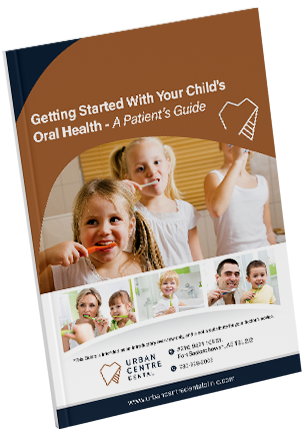

Before & After Pediatric Orthodontics: Fort Saskatchewan Kids’ Smile Progress
Orthodontic treatment for children can create life-changing improvements in both dental health and confidence. Many families in Fort Saskatchewan want to understand how their child’s smile will change before and after treatment, what the process involves, and how quickly progress appears. At Urban Centre Dental, parents often ask what early orthodontics looks like, how long treatment can take, and how pediatric-friendly clinics support kids throughout the journey.
This guide explains the before-and-after experience in simple terms to help families choosing an orthodontist Fort Saskatchewan or exploring pediatric dentistry and orthodontics understand the full picture.
Why Pediatric Orthodontics Matters
Early orthodontic treatment helps guide jaw growth, correct bite issues, and make room for adult teeth. By addressing concerns early, many children avoid more complex procedures later.
Families often choose fort orthodontics options for:
- Crowding or spacing
- Crossbites and overbites
- Early tooth loss
- Jaw development concerns
- Speech or chewing difficulties
Pediatric orthodontics supports not only straighter teeth but healthier oral development overall.
Before & After: What Most Kids Experience
Before Treatment
Parents may notice:
- Crooked or overlapping baby or adult teeth
- Early signs of bite issues
- Difficulty chewing or speaking clearly
- Teeth erupting in unusual positions
- Thumb-sucking impacts
- Mouth breathing
Children may feel self-conscious or uncomfortable about their smile.
After Treatment
Following orthodontic care, kids typically show:
- Noticeably straighter teeth
- Improved bite and chewing
- More balanced facial growth
- Better oral hygiene due to easier brushing
- Increased confidence
Many before & after pediatric orthodontics cases show positive changes within the first few months, with final results creating long-lasting impact.
What Happens During Pediatric Orthodontic Treatment
1. Consultation and Dental Growth Assessment
The dentist or orthodontist evaluates jaw development, tooth alignment, and facial symmetry. X-rays, photos, and impressions may be taken.
Families are encouraged to ask questions similar to those in an orthodontics consultation for children to understand treatment options clearly.
2. Customized Treatment Planning
Treatment options depend on the child’s age, growth pattern, and orthodontic needs. Plans may include:
- Expanders
- Space maintainers
- Early braces
- Clear aligners
- Growth-guidance appliances
The dentist explains recommended steps, expected timeline, and how treatment will support long-term dental development.
3. Appliance Placement and Adjustment Visits
During active orthodontic treatment, children visit their provider regularly for adjustments and monitoring.
These appointments allow the orthodontics clinic for children to ensure steady progress and address any concerns early.
4. Monitoring Growth Over Time
Pediatric providers track jaw growth and tooth eruption to ensure adult teeth develop in ideal positions.
This careful monitoring is especially important during ages where new teeth are erupting rapidly.
5. Retainers and Ongoing Support
After active treatment, retainers help maintain results.
Parents receive guidance on wear schedules, cleaning routines, and follow-up visits to support long-term success.
Why Families Choose Pediatric-Focused Clinics
Parents often turn to a pediatric dentist Fort Saskatchewan or integrated dental service group because these clinics offer:
- Child-friendly communication
- Calming, comfortable environments
- Age-appropriate explanations
- Gentle treatment approaches
- Growth-based monitoring
- Access to both pediatric dentistry and orthodontics in one place
For anxious children or busy families, having both specialties under one roof provides comfort and convenience.
Lifestyle Factors That Affect Treatment Progress
Certain habits can slow or complicate orthodontic progress. These include:
- Thumb-sucking
- Mouth breathing
- Poor brushing and flossing
- Chewing hard or sticky foods
- Inconsistent appliance wear
- Teeth grinding at night
Your provider will help your child build healthier habits that support faster, more predictable results.
Benefits of Early Orthodontic Care
- Corrects bite problems while the jaw is still growing
- Reduces the need for major treatment later
- Improves speech development
- Helps guide adult teeth into ideal positions
- Boosts confidence and comfort
- Makes oral hygiene easier
- Supports healthier facial development
Families often describe the improvement in both appearance and daily function as one of the biggest benefits of early treatment.
What to Expect at Your Child’s Appointment
A typical pediatric orthodontic visit includes:
- A warm introduction to help your child feel comfortable
- A review of how their teeth and jaw are growing
- Gentle X-rays or scans if needed
- An explanation of next steps in simple, child-friendly language
Time for parents to ask questions
This patient-centred approach helps build trust and reduces dental anxiety.
Local Parent Review
“My son used to hide his smile because his front teeth were crowded. After a few months of treatment, we could already see changes. The team made every visit so easy for him, and he now smiles proudly.”
Frequently Asked Questions
1. How early should children visit an orthodontist?
Most children should have an orthodontic assessment by age 7. Early evaluation doesn’t always mean early treatment, but it helps identify potential issues while the jaw is still developing.
2. What signs suggest my child may need orthodontic care?
Crooked teeth, bite problems, mouth breathing, thumb-sucking, difficulty chewing, or early tooth loss may indicate your child needs orthodontic support.
3. Does early orthodontic treatment reduce future costs?
In many cases, yes. Early treatment can prevent complex issues that require longer or more involved procedures later. Addressing problems early can reduce overall orthodontic time and cost.
4. How long does pediatric orthodontic treatment take?
Treatment time varies based on the child’s needs, appliance type, and lifestyle habits. Many early treatments last 6–18 months, followed by monitoring and retainers.
5. How can parents help treatment progress smoothly?
Encourage consistent appliance wear, help your child avoid hard or sticky foods, keep up with daily brushing, and monitor habits like thumb-sucking or grinding.
6. Are orthodontic visits uncomfortable for kids?
Most visits are quick and gentle. Children may feel pressure during adjustments, but discomfort is typically mild and short-lived.
7. What is a dental service group and how does it help families?
A dental service group brings multiple dental specialists together, allowing families to access pediatric care, orthodontics, and general dentistry in one convenient location.
8. Can preventive care reduce the need for orthodontics?
Yes. Good oral habits, routine cleanings, and regular dental checkups help guide healthy development and may reduce the need for extensive orthodontic treatment.
Supporting a Healthy Smile for Years to Come
Understanding how pediatric orthodontics works—and what before-and-after progress looks like—helps Fort Saskatchewan families make confident decisions for their child’s future. Urban Centre Dental provides supportive pediatric dentistry and orthodontic care designed to guide healthy development and long-lasting results. When you’re ready to explore options for your child, you can learn more about the treatments that best support their growing smile.