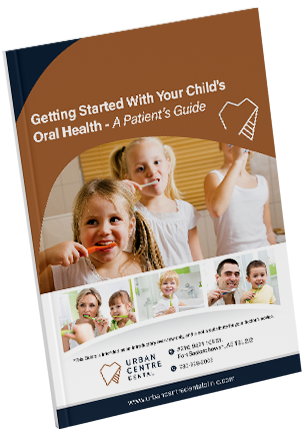

Deciding whether your child needs regular pediatric dental care or orthodontic treatment is a big question for many families in Fort Saskatchewan. At Urban Centre Dental, parents often wonder about the cost differences, the benefits, and when one option is more appropriate than the other. This guide walks through what pediatric dentistry covers, what orthodontics involves, and how to weigh costs and long-term value when choosing care for your child. Whether you are booking a checkup or exploring fort orthodontics, having clear cost expectations helps you make the right choice.
What Are Pediatric Dentistry and Orthodontics — and How Are They Different?
Pediatric dentistry focuses on routine dental care for children: preventative care, cleaning, cavity treatment, tooth-sized checkups, and monitoring growth of permanent teeth. It helps maintain oral health, catch decay early, and guide healthy development.
Orthodontics, on the other hand, deals with aligning teeth and jaws — straightening crooked teeth, fixing bite problems, and managing jaw growth. Treatments include braces, aligners, expanders, or interceptive appliances depending on age and condition.
While pediatric dentistry sets the foundation for oral health, orthodontics often becomes relevant when bite alignment or growth issues emerge.
Typical Costs in Canada — What Fort Saskatchewan Families Should Know
Pediatric Dentistry Costs
Routine services such as exams, cleanings, fluoride treatments, and simple fillings tend to be on the lower-cost end of dental care. For children’s dental checkups in Ontario (as a reference), costs vary by age and treatment needed — from basic exams for toddlers to cleanings, x-rays, sealants, or fillings for older kids.
Because pediatric dentistry often targets prevention and early interventions, many visits are relatively affordable — making it accessible for regular checkups throughout childhood.
Orthodontic Treatment Costs
In Canada, orthodontic treatments (like braces) typically cost significantly more due to the complexity, materials, and duration of treatment. For example:
- Traditional metal braces for children often range between CAD 3,000 to CAD 7,000.
- For more aesthetic or advanced options (ceramic braces, aligners), treatment may cost more depending on complexity.
- Early or limited orthodontic treatment (sometimes called Phase 1) — for younger children still growing — may range approximately CAD 1,800 to CAD 4,000 depending on the need.
Because orthodontics often involves multiple visits over many months (or years), follow-ups, adjustments, and retainers, the overall investment is typically higher than for routine pediatric dentistry.
What You Get vs What You Pay: Benefit Comparison
| Service / Treatment | Focus / Benefits | Who It Suits |
| Pediatric Dentistry (cleanings, fillings, checkups) | Prevent cavities, monitor growth, early detection, maintain oral hygiene | Young children, regular preventive care, early dental hygiene habits |
| Orthodontics (braces, aligners, expanders) | Correct tooth and jaw alignment, improve bite, guide jaw growth, improve smile appearance | Children/teens needing alignment, bite correction, crooked teeth, overcrowding |
Pediatric dentistry provides ongoing care and protection for oral health. These treatments are generally lower cost, suitable for routine maintenance, and help prevent more serious problems.
Orthodontic treatment is more specialized — it addresses structural or developmental issues and can have long-term benefits for bite, dental health, speech, chewing, and self-confidence. Given their higher cost and commitment, they’re best suited for when alignment or growth issues are present or likely.
When Pediatric Dentistry Is Enough (or Preferred)
Choose pediatric dental care when:
- The child needs routine cleanings, cavity prevention, or small fillings
- Teeth are healthy or only have minor enamel or cavity issues
- The goal is preventive care, hygiene, and early oral health habits
- You want lower-cost treatments with minimal long-term commitment
Routine care through pediatric dentistry reduces risk of serious decay and can eliminate the need for more costly procedures down the line.
When Orthodontics Makes More Sense
Orthodontic treatment becomes a consideration when:
- There is misalignment, crowding, or spacing issues
- Bite problems such as overbite, underbite, crossbite, or jaw misalignment are present
- Tooth eruption is challenging (e.g., adult teeth coming in crooked)
- Early intervention is recommended to guide jaw/teeth development
- Long-term dental health, function, and aesthetics are priorities
Early or interceptive treatment may reduce the severity or duration of full orthodontic treatment later — potentially making it more cost- and developmentally efficient.
Hidden Costs & Long-Term Considerations
With orthodontics, parents should consider:
- Initial consultation and diagnostic X-rays
- Regular adjustment visits over months or years
- Retainers or removables after active treatment
- Possibility of additional work (e.g., extractions, appliances) if dental development changes
With pediatric dentistry, long-term value comes in the form of preventive savings: fewer cavities, less risk of complex restorations, better oral hygiene habits.
Evaluating total cost over a child’s development — not just a single treatment — helps families choose what’s right at each stage.
Questions to Ask When Comparing Clinics
When considering a clinic offering either pediatric dentistry or orthodontics in Fort Saskatchewan, ask:
- What services are included (cleanings, exams, X-rays, sealants)?
- How often should my child come for checkups?
- Does orthodontic evaluation start early and how is it monitored?
- What is the total expected cost for braces or aligners based on their case?
- Are there payment plans or phased treatments to manage cost?
- What happens after orthodontic treatment (retainers, follow-ups)?
- If only basic dentistry is needed now — when should orthodontic needs be reevaluated?
Choosing a clinic that can handle both pediatric and orthodontic care — a dental service group — often gives flexibility to adapt as your child grows.
Frequently Asked Questions
1. At what age should I consider orthodontic evaluation for my child?
Dental experts often recommend an orthodontic assessment around age 7, when early signs of misalignment or jaw development issues can become visible. Early evaluation allows for timely detection while the jaw is still growing.
2. Does every child who visits a pediatric dentist eventually need braces?
No. Many children only require routine checkups, cleanings, and preventive care. Orthodontics is only needed when structural or alignment issues arise. A good pediatric dentist monitors growth and suggests orthodontics only when necessary.
3. Can early orthodontics (Phase 1) reduce total treatment costs later?
Yes. Early or interceptive treatment — which may cost less upfront — can sometimes prevent more severe alignment problems later. This may lead to shorter, simpler orthodontic treatment in adolescence.
4. Are there payment options for orthodontic treatment?
Many clinics offer financing or payment plans because braces and aligners are a significant investment. Spreading payments over time can make treatment more affordable for families.
5. What happens if we skip orthodontic evaluation but need it later?
You can still get orthodontic treatment later. However, adult jaw bones are less flexible, and treatment may take longer or be more complex. Early evaluation helps determine if and when orthodontics is needed.
6. Is regular pediatric care cheaper than long-term orthodontics overall?
Routine pediatric dentistry is typically less expensive per visit than orthodontics, but it involves multiple visits over many years. Orthodontics is costlier upfront but may be a one-time, long-term investment — ideal for structural or alignment issues.
7. Will insurance or public dental programs cover orthodontics or pediatric care?
It depends on the plan. Some benefits or coverage programs may cover basic pediatric care or partially cover orthodontics. Always check with your provider for eligible services under your plan.
8. How can I decide what’s best for my child now?
Start with a pediatric dental checkup. The dentist will assess oral health, tooth development, and bite alignment. If a problem is noticed — or growth factors suggest future need — schedule an orthodontic evaluation. This step-by-step approach helps you make informed, flexible decisions.
Setting Your Child Up for Long-Term Oral Health
For many Fort Saskatchewan families, a combination of consistent pediatric dental care and timely orthodontic evaluation provides the strongest foundation for lifelong oral health. Urban Centre Dental supports this approach — offering pediatric dentistry, ongoing growth monitoring, and access to orthodontic care when needed. When you’re ready to explore what’s best for your child, you can learn more about the treatments that support their long-term smile and health.